
Pet Dental Care in Philadelphia, PA
We provide veterinary dental care for dogs and cats throughout Philadelphia—keeping teeth and gums healthy, so your pet can live a longer, more comfortable life.
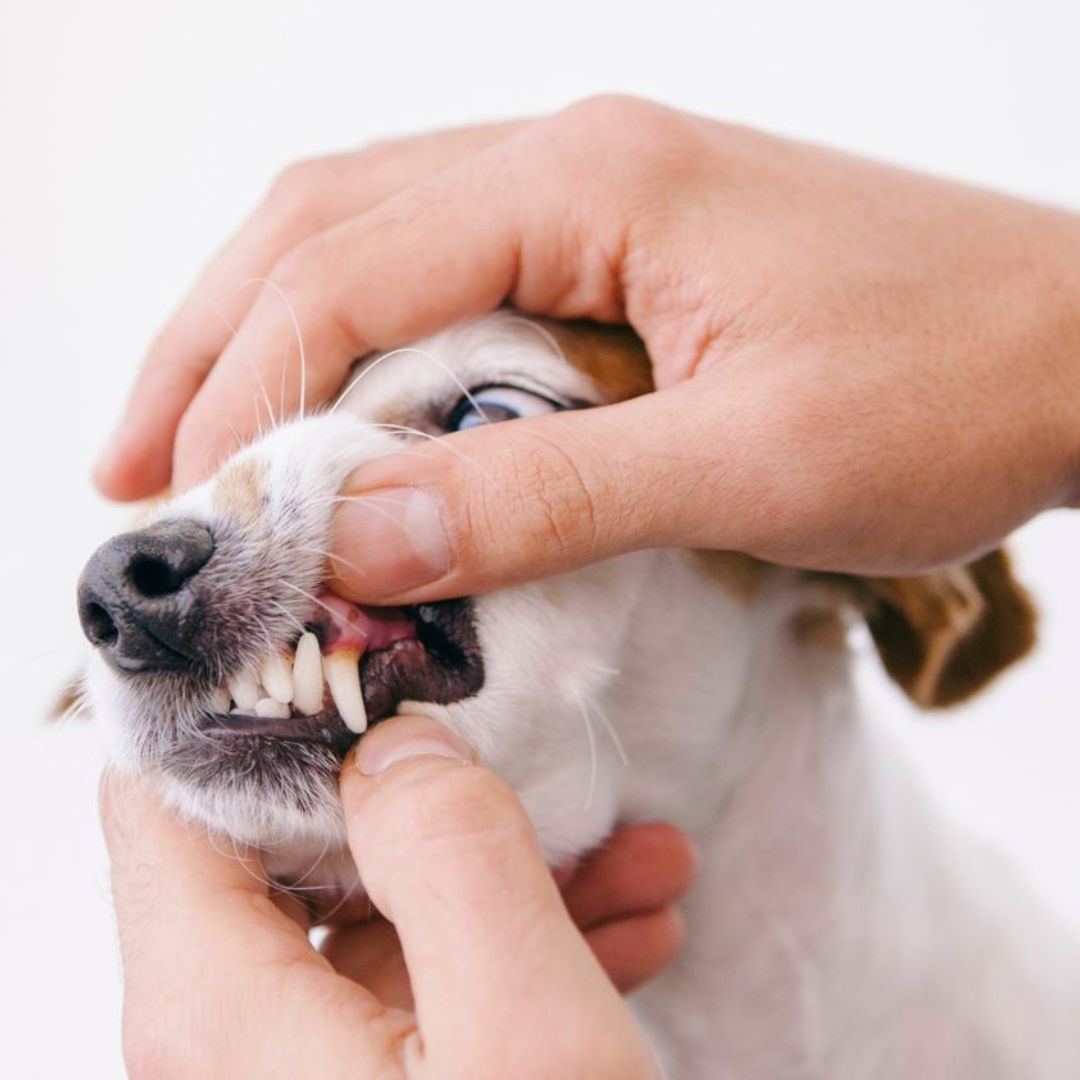
Expert Veterinary Care for Your Pet’s Oral Health
Dental disease is one of the most common health conditions in dogs and cats—and one of the most preventable. At Companion Pet Hospital in Pennsport, we take a thorough approach to pet dental care, including health assessments, professional cleanings, dental radiography, and prevention guidance you can use at home.
Most adult pets will develop some degree of periodontal disease without consistent dental care. Left untreated, dental disease can progress to serious infections that affect the heart, liver, and kidneys. Protecting your pet’s oral health is protecting their overall health.
- Tartar buildup
- Gum inflammation
- Loose, broken, or missing teeth
- Excessive drooling
- Deciduous (baby) teeth
- Extra teeth
- Malocclusion
- Oral growths and tumors
Signs That Your Pet Needs Dental Care
Recognizing when your pet requires dental care is crucial for their health. Be aware of the following symptoms that may indicate the need for a visit to our pet dentist:
- Bad Breath: Persistent bad breath can be a sign of dental disease or oral infection.
- Gum Inflammation: Red, swollen, or bleeding gums may indicate periodontal disease.
- Tartar Buildup: Visible yellow or brown tartar on the teeth requires professional cleaning.
- Excessive Drooling: Increased drooling or difficulty swallowing can signify oral discomfort.
- Chewing Issues: Reluctance to chew or play with toys may indicate pain from dental problems.
- Loose or Missing Teeth: Teeth that are loose, broken, or missing should be evaluated by a veterinarian.
- Oral Growths: Any lumps or bumps in the mouth should be assessed promptly.
If you notice any of these symptoms, contact us to book a dental examination.
Comprehensive Oral Health Assessment and Treatment (COHAT)
Before any dental procedure, one of our doctors will review your pet’s pre-surgical lab work, health history, and perform a pre-anesthetic physical exam to confirm they are ready for anesthesia. Our COHAT is performed while your pet is sedated under general anesthesia for their safety and comfort.
During the procedure, our team performs a comprehensive oral exam, probes every tooth, and takes full-mouth dental X-rays to identify problems below the gum line that aren’t visible on surface examination alone. We also assess for traumatic or abnormal processes in the mouth. After the procedure, our doctors develop a personalized post-care plan for each patient—covering pain management, feeding instructions, and any recommended follow-up visits.
Pet Dental Cleanings
Professional dental cleanings are one of the most effective ways to prevent serious oral disease in your dog or cat. Like human cleanings, pet dental cleanings involve a thorough examination and removal of tartar above and below the gum line—but because pets can’t hold still for a full cleaning, we use anesthesia to do the job safely and completely.
During your pet’s cleaning, our veterinarians will examine the lips, tongue, and entire mouth for growths, wounds, or other concerns. We remove tartar from the teeth and beneath the gum line, polish the enamel to reduce bacterial buildup, and extract any fractured or infected teeth as needed. A thorough post-cleaning oral exam checks for gum recession, root exposure, and pocketing around the roots.
Dental Radiography
Dental radiography gives our veterinary team a detailed view of your pet’s teeth, roots, connective tissues, and jawbone—all right here in our South Philadelphia hospital. Many of the most serious dental conditions, including abscesses, bone loss, tooth decay, and root fractures, are not visible on surface examination alone. Dental X-rays allow us to identify these issues early and develop a treatment plan before they progress.
Pet Oral Health Recommendations at Home
Consistent at-home care between professional cleanings makes a meaningful difference in your pet’s long-term dental health. Here are some steps you can take:
- Inspect your pet’s gums, teeth, and tongue regularly for signs of redness, swelling, or infection. Starting these inspections early helps your pet tolerate them throughout life.
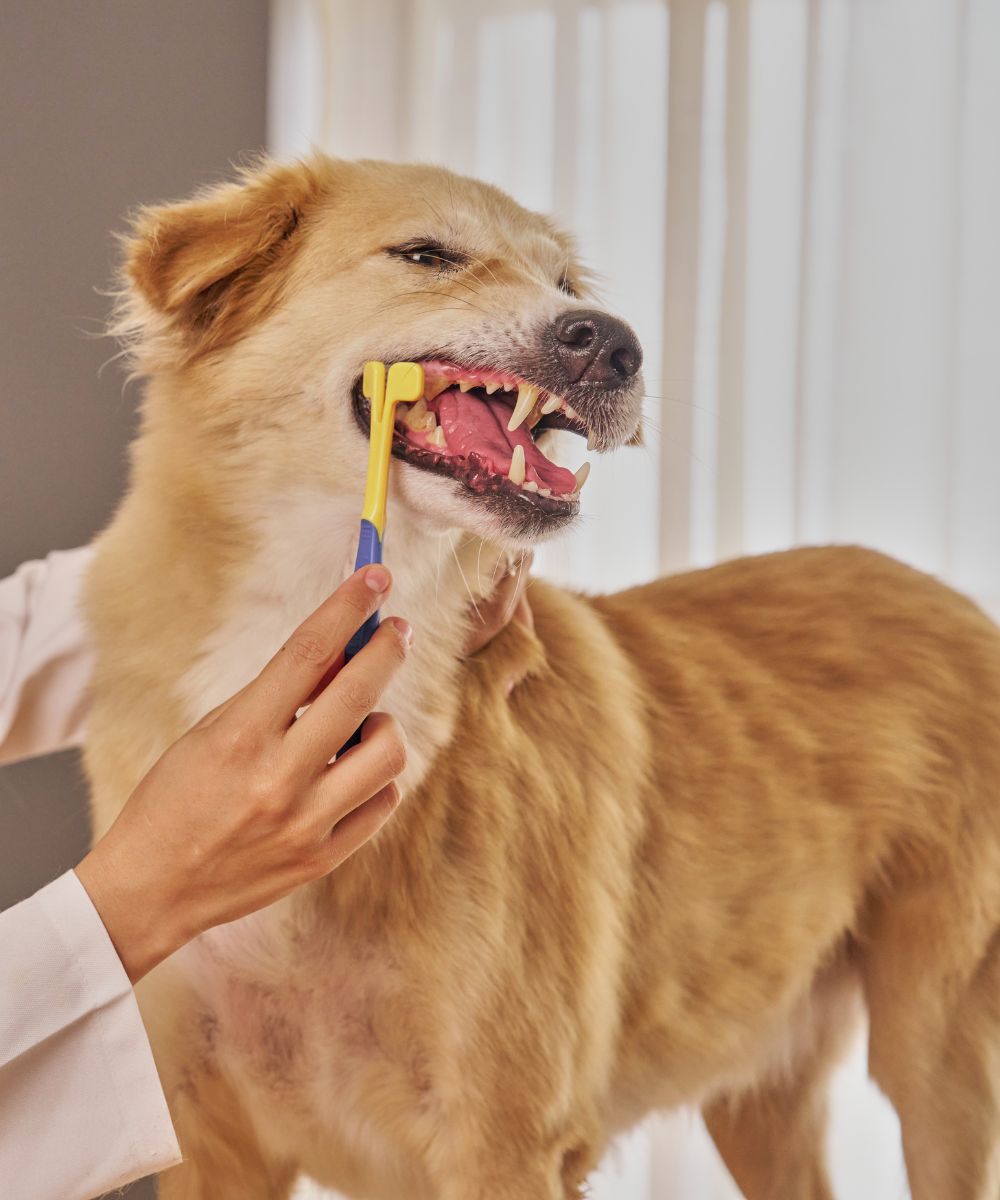
- Brush your pet’s teeth daily or weekly using toothpaste and toothbrushes made specifically for animals. Never use human toothpaste—it can be toxic to pets.
- Introduce toothbrushing gradually and make it a positive experience, using praise and rewards to build your pet’s comfort over time.
- Feed your pet a high-quality diet. Some pets benefit from dental diets that help reduce plaque as they chew, or from foods with additives that prevent plaque from hardening.
- Consider a pet-safe water additive or dental rinse to help manage tartar buildup between brushings.
- Offer safe chew toys and dental treats as part of your pet’s daily routine.
We recommend an annual dental exam for all pets. Schedule a dental visit at Companion Pet Hospital to keep your pet’s smile—and their health—in great shape.